


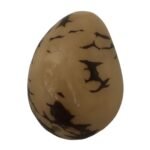

Fair Trade Ecuador Raw Dried Mocococha Tagua Nut Cade Cabezas Cone | Vegan Ivory
£27.50
Mocococha Tagua
In stock
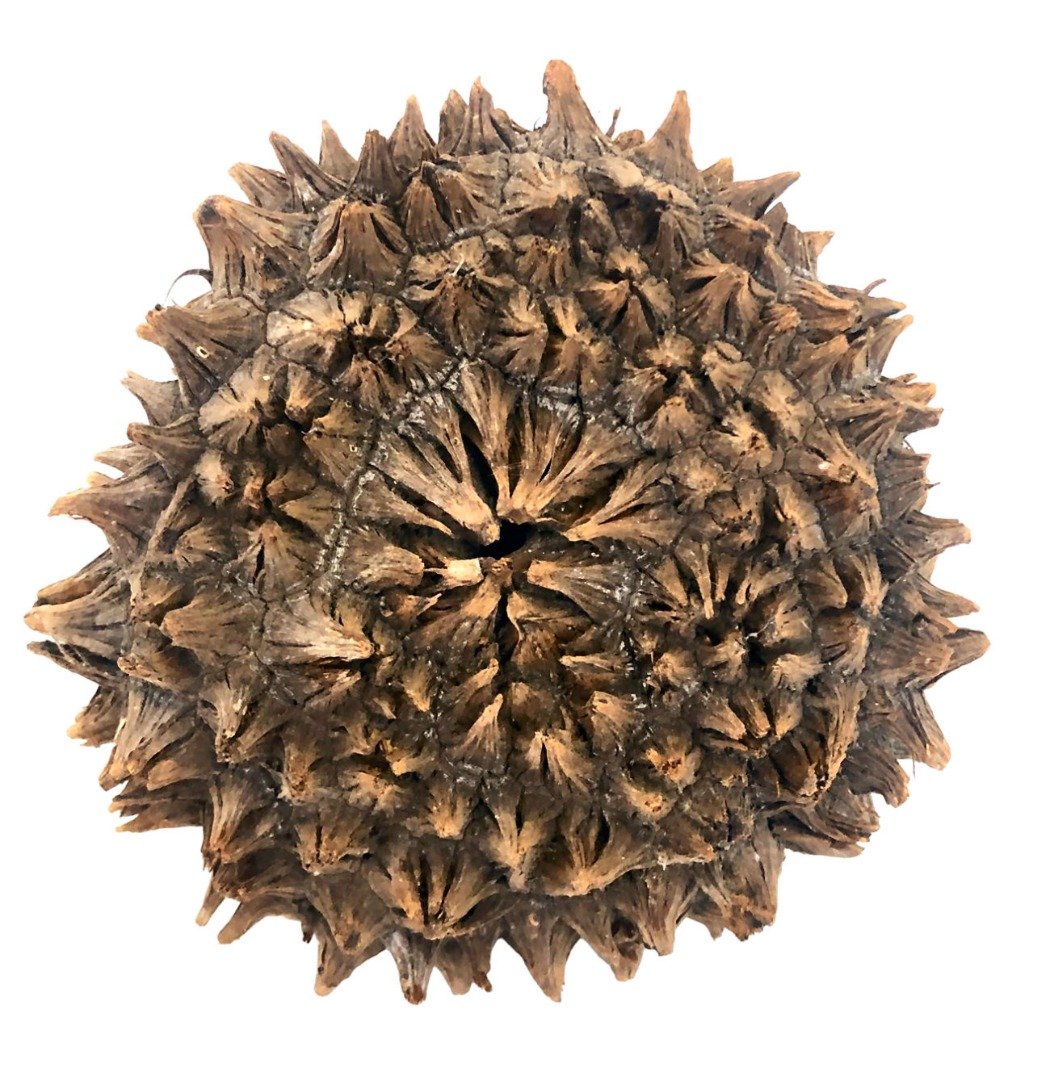
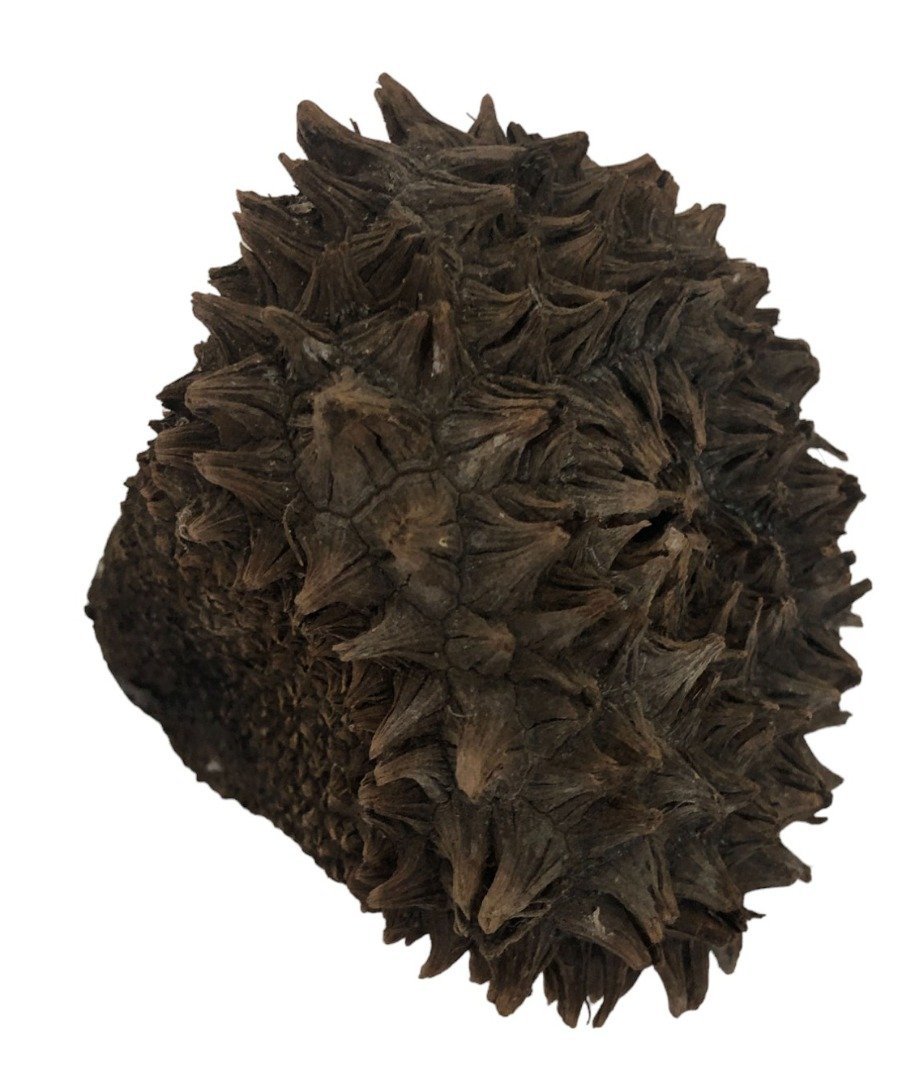
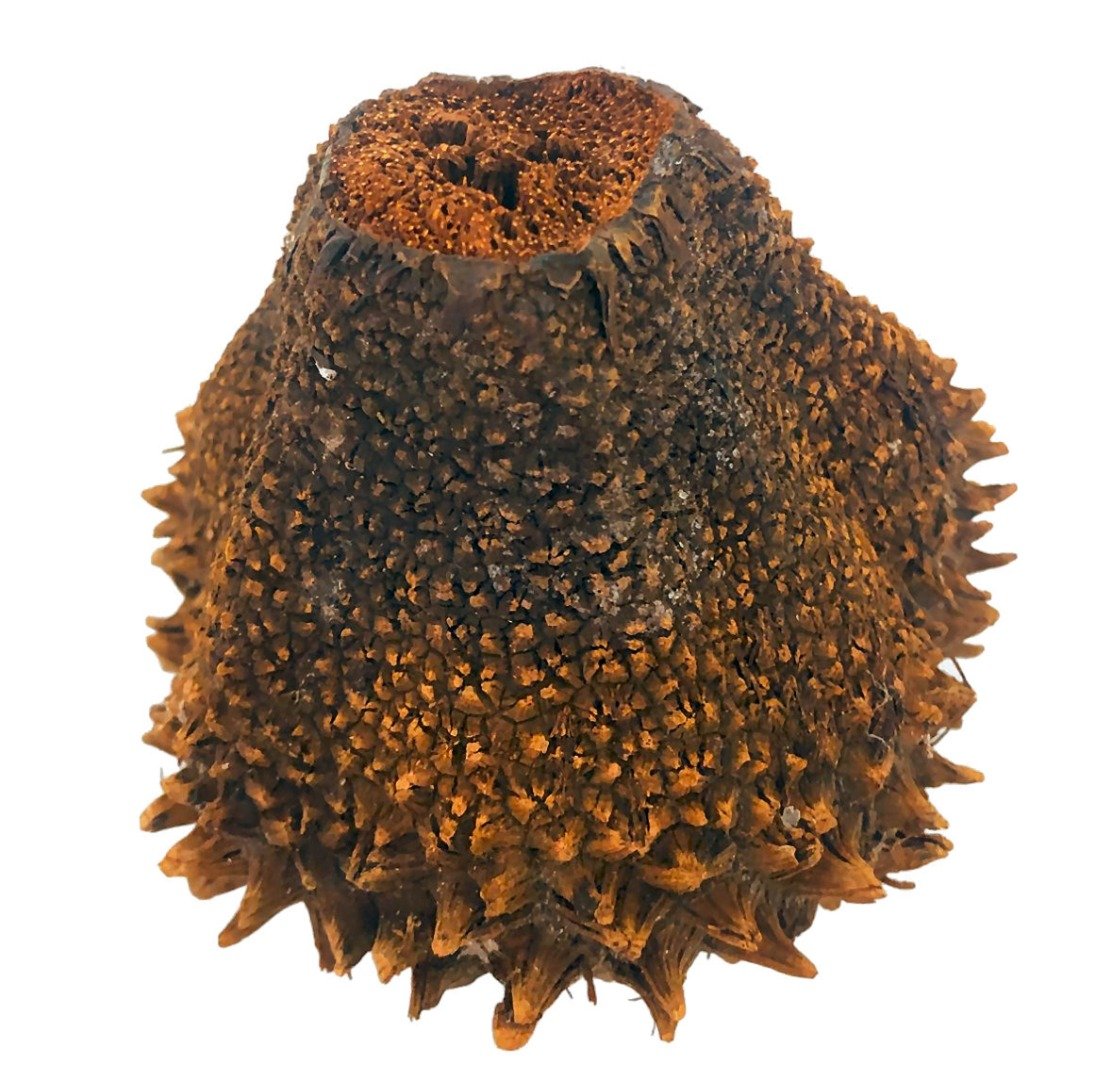
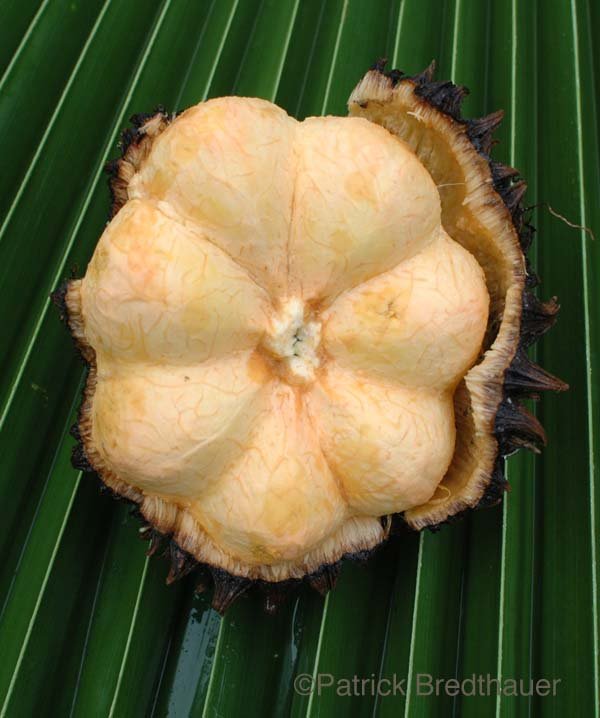
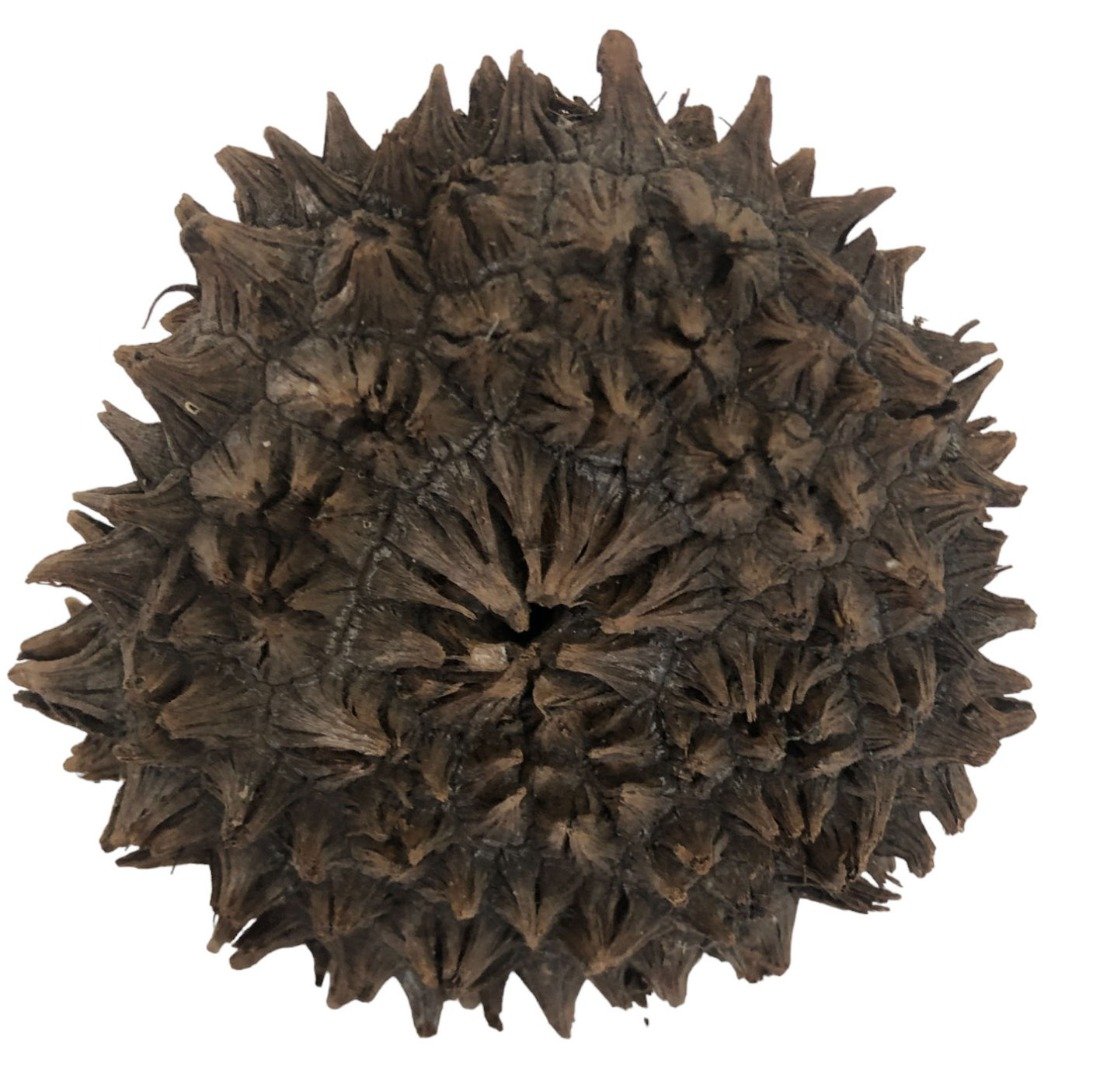
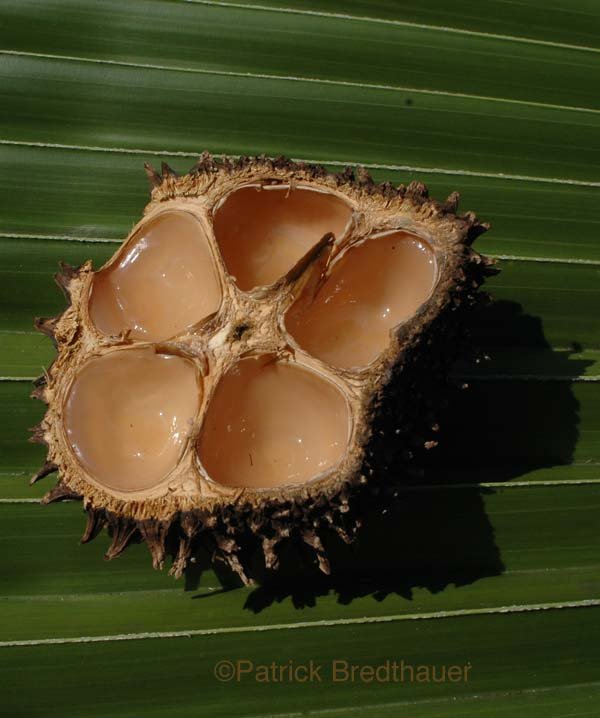
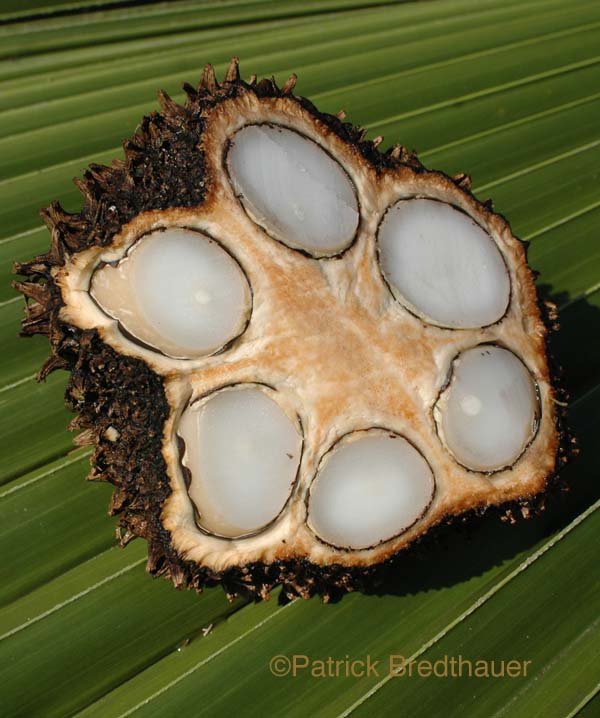
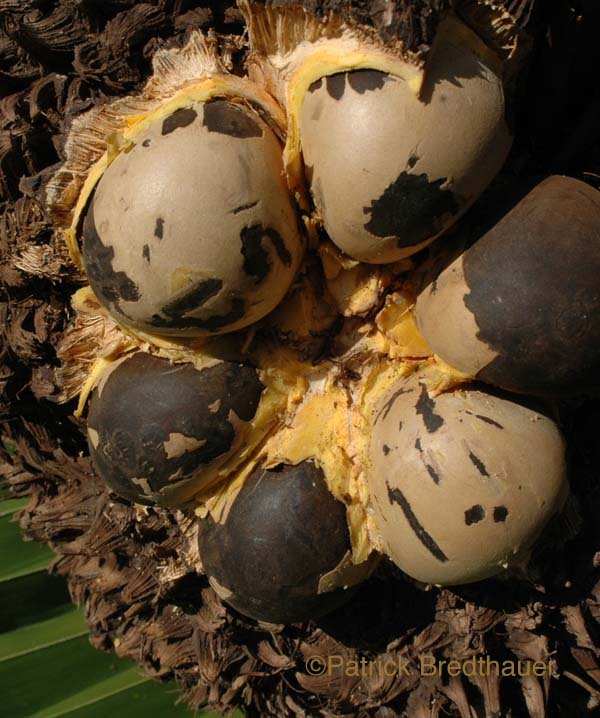
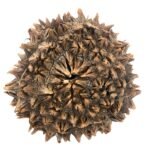
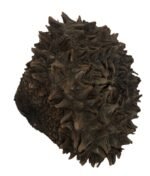
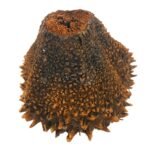
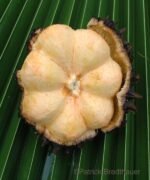
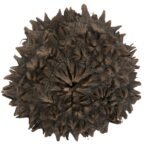
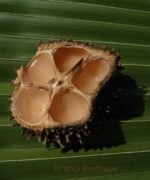
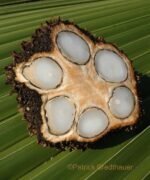
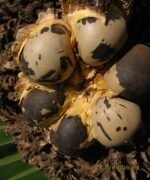
1 x Mocococha Tagua Nut Cone Due to the natural product, this may be different from that pictured, including cross section. Will vary in size and weight. Tagua is known as vegetable ivory, a sustainable alternative to animal ivory. The ivories characteristics differ primarily in that tagua softens when soaked in water for long periods of time, while animal ivory stays hard. During Victorian times, tagua was used to manufacture decorated thimbles, dice and jewellery. Before plastic buttons became popular, tagua was a key material in the button industry. In the late 1800s, factories in London and Birmingham imported two to three million nuts annually. During the 1920s, 20% of all buttons made in the United States were made out of tagua. Today, Patagonia, Smith & Hawken and various fashion houses, especially from Italy, continue to use tagua buttons for their clothing. Ecuador is the only exporter of the tagua disks used to produce buttons. Annually, Ecuador exports approximately 100,000 metric tons of tagua. Vegetable ivory is also used to craft jewelry, tiny sculptures and in the design of home decoration products. The locals regularly make the trek into the damp forests to search for tagua ready to be harvested. The female flowering heads of the Cade tree are known as mocochas or cabezas. Every year, the female cade produces ten to twelve mocochas, each measuring about one foot in diameter. The penco segments are concentrically united, creating the mococha, which holds 100-200 individual tagua nuts. The germination of the tagua seed takes approximately eight months. Early in the seed formation process, the penco carries five or more large round clear gelatinous blobs safely cradled in a radial pattern in their individual natural round holders. Eventually, the gelatinous blobs harden and turn into hard creamy white seeds surrounded by a thin brown skin covered by a yellow fruit. The fruit is eaten by deer and rodents from the agouti species, locally known as guatuso, and the guanta, referring specifically to the paca (Agouti paca), the second-largest rodent (the largest is the semi-aquatic South American capybara). When the seeds ripen, the mococha falls to the ground. A mature cade is capable of producing 80 to 130 pounds of tagua nuts. The tagua nuts are usually extracted from the penco at the site where they are found. They are then bagged in netting and transported by mule or bicycle to be dried and hardened for eight to twelve weeks. The tagua is versatile and can be processed in various ways, depending on the design of the end product. The dark skin of the tagua is left on and polished for the chocolate or coffee bean look. Another technique is polishing the tagua until a lovely veined design is exposed, revealing the underlying creamy white seed beneath the dark tagua skin. The pure white stage is reached when the dark brown skin is completely sanded down. Most artisans use the creamy white seeds to craft the tiny tagua sculptures. As the tagua ages it turns into a warm antique cream color. Depending on the desired look, the white tagua may be fried, resulting in a caramel-like appearance. For this effect, the nuts are literally fried in oil in a frying pan. This technique is used primarily to make jewellery. Each tagua nut style comes in small, medium and large sizes. The tagua size chosen by the craftspeople depends on the figurine being carved or the product being made. Larger animals may be carved out of more than one nut and assembled accordingly. Varying qualities of products exist. The craftspeople have a fine reputation for crafting varied and exquisite figurines, from leatherback turtles to white-tipped sicklebill hummingbirds and other high quality sustainable products using local materials. The process of harvesting, designing and creating products out of tagua provides people with jobs and cuts down on the use of animal ivory.
| Weight | 0.2 kg |
|---|---|
| Dimensions | 15 × 18 × 22 cm |
| Model Number |
10 |
| Brand |
Terrapin Trading Ltd |
| Manufacturer |
Terrapin Trading Ltd |
Only logged in customers who have purchased this product may leave a review.




 Mens Costumes
 Football Shirts
 Mens Headwear
 Mens Hoodies
 Mens Ponchos
 Mens Scarves
 Shirts & Tees
 Mens Slippers
 Mens Socks
 Dungarees & Trousers
 Womens Clothing
 Womens Accessories
 Ladies Dresses
 Ladies Headwear
 Ladies Hoodies
 Ladies Ponchos
 Ladies Scarves
 Ladies Shorts
 Ladies Footwear
 Socks & Legwarmers
 Tops & T-shirts
 Trousers & Dungarees
 Backpacks
 Bumbags Fanny Packs
 Wallets Purses
 Yoga Bags
 Bracelet
 Pendants
 Badges Keyrings
 Bamboo Products
 Ethnic Basketry
 Blankets Throws
 Coffee Lovers
 Cork from Portugal
 Crafted Signs
 Cushion Covers
 Door Curtains from Nepal
 Driftwood Items
 Ethnic Pipes
 Fireplace Items
 World Flags
 Furniture
 Garden Items
 Kitchenware Bar
 Handmade Lighting
 Tribal Masks
 Handmade Metalwork
 Other Home & Garden
 Handmade Ornaments
 Moroccan Pouffes
 Handmade Rugs
 Sleeping Bags
 Handmade Stationery
 Handmade Tableware
 Tapestry Hangers
 Handcrafted Woodcrafted
 Indian Carrom
 Chess Backgammon
 Other Traditional Games
 Outdoor Games
 Wooden Puzzles
 Handpans
 Percussion
 Handmade Drums
 Hand Percussion
 Other Percussion
 String Instruments
 Kanun | Qanun
 Dan Bau
 Sitar
Sitar Spare Parts | Replacement Strings | Accessories
 Woodwind

 Hand Made Soap
 Made by Others
 Made by Terrapin Trading
 Solid Perfume
 Felt Balls
 Tartan Offcuts




Reviews
There are no reviews yet.